One Creator, Many Worlds: The Art of Building Platform Ecosystems That Actually Work

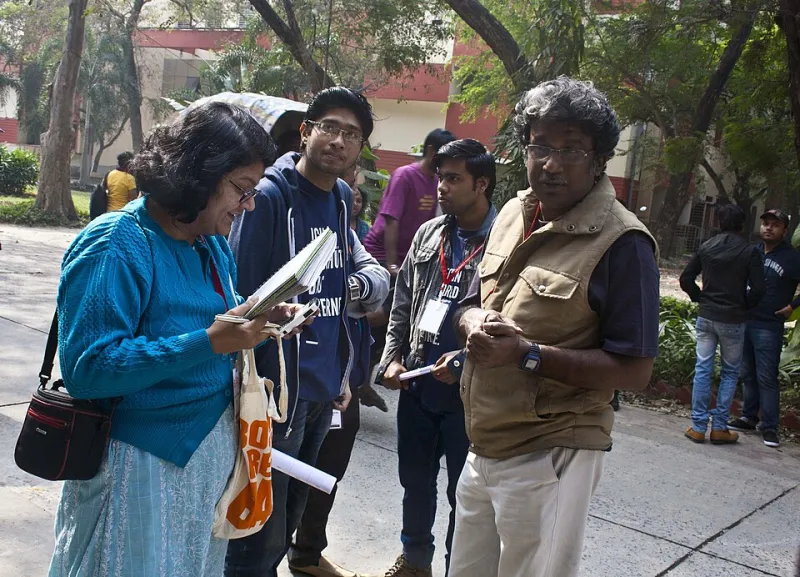
Photo: Warren K. Leffler / Adam Cuerden, Public domain, via Wikimedia Commons
There's this idea that's been floating around creator spaces for years — that the key to growth is consistency. Same face, same voice, same content, everywhere, all the time. Repurpose your TikTok as a Reel. Turn your YouTube video into a podcast. Chop it all into tweets. The logic made sense: reach more people by being in more places.
But something interesting is happening. The creators quietly building the most loyal, engaged audiences aren't doing any of that. They're not syndicating. They're not repurposing. They're building entirely separate worlds on each platform — and it's working in ways that straight-up cross-promotion never could.
Call it the platform ecosystem approach. And honestly? It might be the most underrated creative strategy out there right now.
Why "Just Post Everywhere" Stopped Working
Here's the thing about audiences: they're smart. When you paste the same content across every platform, people feel it. It reads like a press release. It lacks the texture of something made for them, where they are.
Platforms have also gotten deeply weird and specific in their cultures. TikTok rewards raw, spontaneous energy. Substack readers want depth, nuance, and a sense that the writer is thinking with them. YouTube audiences invest time and expect a payoff. Instagram is still visual-first, mood-driven, almost editorial in its best form. These aren't interchangeable environments — they're distinct communities with different expectations, different rhythms, and different relationships with the creators they follow.
Creators who treat them all the same end up feeling native to none of them.
The Fragmentation Strategy: Different Voice, Different World
So what does it actually look like when a creator builds separate ecosystems instead of one unified brand? Think of it like this: your TikTok is your personality in real time — quick, reactive, unpolished in the best way. Your Substack is where you slow down and actually say something. Your YouTube is the long-form project you're proud of. And maybe your Instagram is the mood board version of everything, the aesthetic layer that ties it together without explaining anything.
Each of those spaces attracts different people. Some will follow you across all of them. But many won't — and that's not a failure. That's the ecosystem working. A reader who found you on Substack might never watch your YouTube series, and that's totally fine. They're getting exactly what they came for, and they feel like that platform is theirs with you.
Creators like Hank Green have done versions of this for years — his presence on YouTube, Twitter, and in his fiction writing career all carry the same core humanity but feel genuinely different. More recently, you see writers like Roxane Gay maintaining a Substack that feels like a private conversation while her public-facing social presence serves a completely different function. These aren't accidents. They're architecture.
The Psychological Payoff (for Creators and Audiences)
Here's something that doesn't get talked about enough: this approach is also just healthier for the person making the stuff.
When every platform carries the same content and the same voice, the pressure to perform is everywhere, all at once. One bad video tanks your whole presence. One weird tweet bleeds into everything else. But when your platforms are genuinely separate, they give you creative breathing room. You can experiment on TikTok without it affecting your Substack subscribers. You can take a break from YouTube without going dark everywhere.
For audiences, the fragmentation creates something almost counterintuitive — deeper loyalty. When someone finds your Substack and realizes your TikTok is a completely different experience worth exploring, it feels like discovering a bonus. Like a band with a side project that's somehow even better than the main thing. It rewards curiosity. It makes following you feel like an adventure rather than a subscription.
Building the Ecosystem: What You Actually Need
None of this works without some intentional thinking upfront. A few things matter a lot:
Know what each platform is for. Before you post anywhere, ask yourself: what does this community want from me here? Not what you want to say — what does the relationship look like on this specific platform? That question will shape everything.
Let the voice shift. This is the hardest part for creators who've been told to stay consistent. But consistency doesn't have to mean identical. Your values, your worldview, your sense of humor — those can stay constant even as your tone adapts. Think of it less like wearing a mask and more like code-switching, which most of us do naturally in real life anyway.
Don't over-explain the connections. Resist the urge to constantly point people from one platform to another. Let them discover it. The occasional mention is fine, but if every TikTok ends with "link in bio for my Substack," you're collapsing the separate worlds you worked to build.
Accept that not everything will crossover. Some of your best YouTube videos will never be mentioned on your Instagram. That's okay. Each platform deserves content that was made to live there.
The Bigger Picture
What's really happening here is a maturation of creator culture. The early days of "just go viral" and "be everywhere" were about volume. This next phase is about depth. It's about building something that lasts longer than a trending sound or an algorithm boost.
The creators who are figuring this out are treating each platform like a different room in a house they're building. You don't furnish every room the same way. You think about what each space is for, who's going to spend time there, and what kind of experience you want them to have.
And when someone finally tours the whole house? That's when the real connection happens.
In the Han Yan Universe, we've always believed that creativity doesn't have to fit one mold — and neither does the way you share it. Building multiple worlds isn't scattered. It's expansive. And in a media landscape that rewards specificity over reach, expansive might just be the smartest thing you can be.