Show Your Receipts: Why the Smartest Creators Are Wearing Their Influences Like a Badge
There used to be this unspoken rule in creative spaces: never let people see the seams. Don't mention who you were listening to when you wrote that song. Don't credit the photographer whose composition you studied before shooting your own campaign. Definitely don't tweet about how you've watched the same Kubrick film forty times. The myth of the solitary genius—idea arriving fully formed, untouched by outside hands—was the whole brand.
That era is quietly, decisively over.
The most compelling creators working right now are doing something that would've seemed career-risky even a decade ago: they're naming their sources out loud, in public, with pride. And the audiences following them? They love it.
The Shift Nobody Officially Announced
It didn't happen with a press release. It crept in through YouTube "influences" videos, through TikTok creators doing side-by-side comparisons of their work and the art that shaped it, through Substack writers opening essays with a line like I've been obsessed with Joan Didion's sentence structure for three months and here's what happened when I tried to steal it.
Suddenly, influence wasn't a liability. It was texture. It was personality. It was proof that you were a real person with a real interior life, not a content machine optimizing for engagement.
Call it the Remix Generation's coming-out moment.
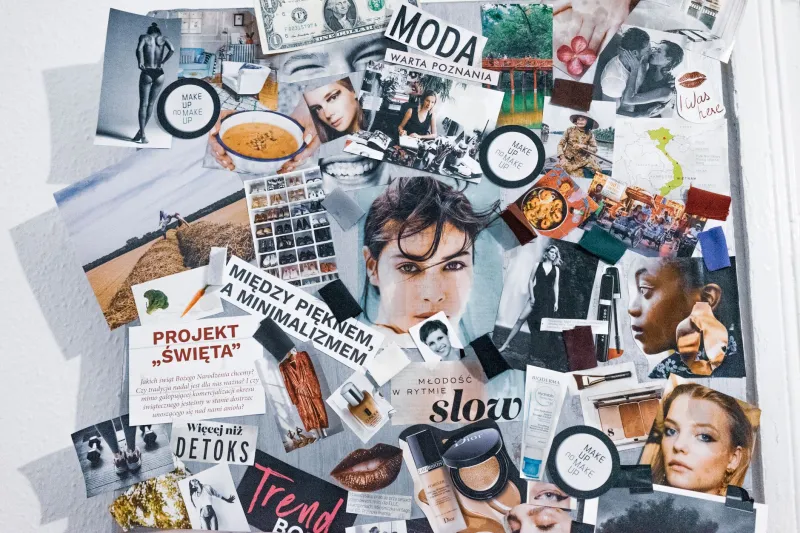
Musicians have been sampling for decades—hip-hop built an entire aesthetic philosophy around the practice—but what's new is how that ethos has migrated into every creative lane. Visual artists on Instagram are tagging the painters they're riffing on. Filmmakers are posting mood boards before production even starts. Writers are building newsletters explicitly framed as conversations with dead authors they're obsessed with. The creative process itself has become part of the product.
Why Audiences Are Buying In
Here's the psychology at play: when a creator tells you this is what I'm made of, they're doing something that feels increasingly rare online. They're being specific. And specificity, in a feed full of vague inspiration and generic hustle content, hits different.
There's also a trust element that's hard to overstate. When you discover that a creator you love is openly in conversation with, say, Basquiat's color work or Kendrick Lamar's narrative structure, it doesn't diminish their originality—it contextualizes it. You understand why they make the choices they make. That understanding creates loyalty. You're not just consuming the work; you're inside the thinking.
The economics follow from there. Creators who build this kind of transparency into their practice tend to attract audiences who are more engaged, more likely to share, and more likely to stick around. You're not chasing a viral moment. You're building a readership—or a fan base, or a community—that actually gets what you're doing and wants more of it.
The Sample-and-Credit Model
Think about how the best DJs work. They're not pretending the records they're pulling from don't exist. The craft is in the selection, the layering, the way you sequence a James Brown break under a modern trap hi-hat and create something that's simultaneously both and neither. The lineage is visible. That's not a bug—that's the whole point.
Creators who are thriving right now are essentially applying that same logic to their fields. A ceramicist on Instagram posts about how a trip to see Japanese wabi-sabi pottery completely rewired how she thinks about imperfection. A screenwriter breaks down on their Patreon exactly how a specific episode of The Sopranos influenced the scene structure they used in their own pilot. A graphic designer credits the Swiss International Style every time someone asks about their grid-heavy layouts.
This is the sample-and-credit model in action. And notice what it does: it doesn't make the creator seem derivative. It makes them seem knowledgeable, intentional, and worth following as a guide through culture—not just as a maker of stuff.
The Competitive Advantage Nobody Talks About
Here's a thing that doesn't get said enough: being upfront about your influences is also a smart differentiation move.
In a market where everyone is trying to seem original, the creator who says I'm a deliberate remix of these specific things immediately stands out. You're not claiming to have descended from the creative heavens. You're saying: I've done the work. I've studied. I've absorbed. And here's what I built from all of that.
That's actually a more compelling pitch than "I'm just being myself and this is my art." It signals taste. It signals cultural literacy. It signals that you're operating with intention rather than just producing content and hoping something sticks.
For creators building personal brands—which is, honestly, most creators in 2025—that kind of positioning matters enormously. You become a curator as much as a maker. People follow you not just for what you create, but for what you know, what you love, what you've spent time with. Your influences become part of your IP.
The Line Between Homage and Imitation
None of this is a free pass to copy and call it a remix. The distinction matters, and audiences are sharp enough to feel the difference even if they can't always articulate it.
Homage transforms. Imitation reproduces. The creator who studies a technique, internalizes it, and then applies it through their own specific lens—their own lived experience, their own aesthetic obsessions, their own cultural vantage point—is doing something genuinely generative. The creator who just lifts and reposts is doing something else entirely.
The Remix Generation understands this intuitively. The best ones aren't just name-dropping influences to seem cool. They're showing you how those influences changed them, what they took from them, and where their own thinking diverged. That process of divergence is where the originality actually lives.
What This Means Going Forward
If you're a creator still operating under the old rules—still nervous to admit that your aesthetic owes a debt to someone who came before you—it might be worth reconsidering the strategy.
The culture has shifted. Audiences don't want the myth of the untouched genius anymore. They want creators who can be their guides through the overwhelming volume of art, music, film, and writing that exists in the world. They want someone who has done the listening, the watching, the reading—and can show them what's worth their attention.
Showing your receipts, as it turns out, is one of the most powerful things you can do. It's not a confession. It's a credential.
And in the Remix Generation, that credential is worth more than ever.