Sacred and Scrollable: How Gen Z Creators Are Turning Their Process Into a Practice
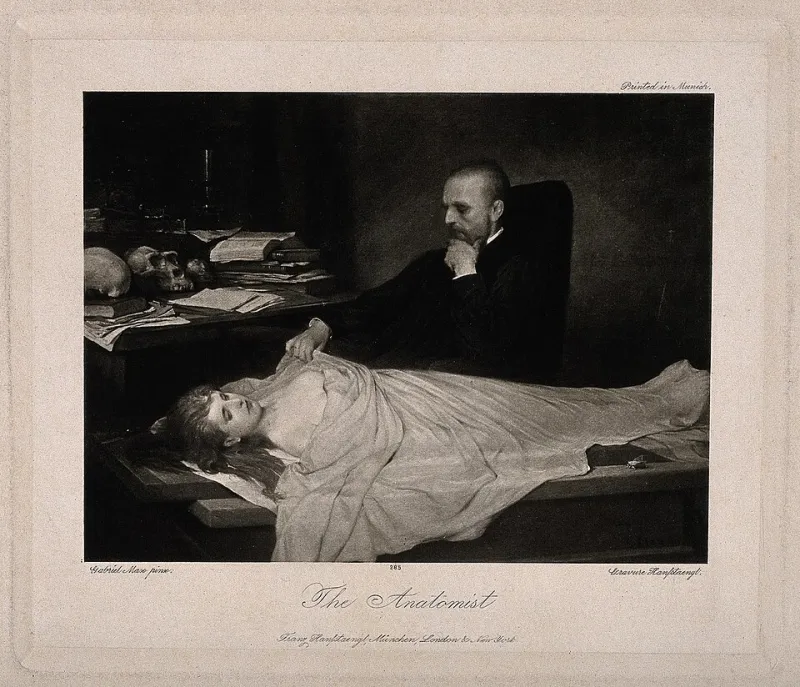
Photo: Unknown, CC BY 4.0, via Wikimedia Commons
There's a particular kind of video that keeps showing up in the corners of TikTok and YouTube that doesn't quite fit the usual content mold. No ring light. No trending audio. Just someone sitting quietly, pulling a tarot card, and then — slowly, deliberately — talking about what they're going to make that week and why. The comments are always full of people saying the same thing: this is exactly what I needed today.
That's not an accident. A meaningful shift is happening inside the creator economy, and it doesn't have anything to do with follower counts or brand deals. It's about the why behind the work. A growing number of Gen Z creators are treating their creative process less like a content pipeline and more like a spiritual practice — something to be approached with intention, reverence, and a certain amount of faith that the right things will find the right people.
When the Hustle Loses Its Appeal
For years, the dominant story about being a creator was essentially a grind narrative. Post every day. Optimize everything. Treat your audience like a metric to be grown. That energy — relentless, transactional, always-on — produced a lot of content and burned out a lot of people.
Gen Z watched that happen. Many of them lived it themselves, launching channels in their teens and hitting walls before they turned twenty. What came out the other side wasn't cynicism so much as a recalibration. If the hustle wasn't sustainable, what was? If going viral didn't feel meaningful, what did?
For a lot of young creators, the answer came from unexpected directions. Astrology. Meditation. Buddhism. Indigenous wellness practices. The Western wellness industry. Whatever the entry point, the throughline was the same: slow down, go inward, and let the work come from somewhere real.
The Ritual Layer
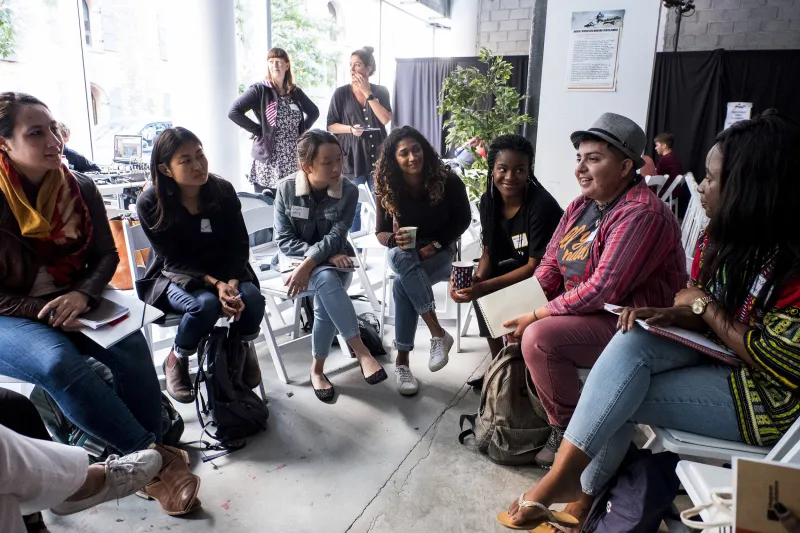
Ask around in creative communities on Discord or Substack, and you'll find people who have built surprisingly elaborate pre-creative rituals. One photographer in Portland describes pulling a single oracle card before every shoot — not to predict anything, but to give herself a word or image to hold in the back of her mind while she works. A musician in Atlanta talks about burning specific incense when he writes, creating a sensory cue that tells his brain it's time to be open rather than productive.
These aren't quirky habits. They're functional technologies for getting out of the analytical mind and into something more generative. What practitioners of mindfulness and meditation have known for decades, these creators are discovering through their own experimentation: ritual creates conditions. And better conditions tend to produce better work.
Astrology has become particularly central to how some creators structure their output. Lunar calendars inform content planning. Mercury retrograde becomes a built-in excuse to review and revise rather than launch. The New Moon is for intentions; the Full Moon is for releasing what isn't working. Whether or not you believe in the metaphysics, the practical result is a creator who isn't just reacting to the algorithm — they're moving at their own rhythm.
Eastern Philosophy Meets the Content Calendar
It's not just Western esoteric traditions doing the work here. Concepts drawn from Taoism, Buddhism, and various South and East Asian philosophical frameworks have found their way into how Gen Z creators think about effort and output.
The Taoist concept of wu wei — often translated as effortless action or non-forcing — resonates deeply with creators who've experienced what happens when they push too hard. The idea isn't to do nothing; it's to do things in alignment with natural flow rather than against it. Applied to content creation, that might mean waiting until an idea feels genuinely ready rather than forcing it to meet a posting schedule. It might mean accepting that some weeks the well is dry, and that's information, not failure.
Buddhist ideas about non-attachment have found a home here too. Releasing the need for a specific outcome — a certain number of views, a particular response — creates space for the work to be what it needs to be, rather than what the creator hopes it will perform as. Ironically, many creators who've adopted this mindset report that their work has become more resonant with audiences, not less. People can feel when something was made from a place of genuine presence.
The Audience Connection That Actually Lasts
There's something interesting that happens when a creator shifts from optimizing for reach to creating from a place of intention. The audience changes. It gets smaller, sometimes, but it gets closer. The people who show up are there because something in the work actually touched them, not because a thumbnail was engineered to catch their eye.
This is the part that surprises a lot of creators when they first make the shift. They expect to lose traction. Sometimes they do, at least by conventional metrics. But what they gain is a community that feels different — more invested, more reciprocal, more like a genuine exchange between humans rather than a creator-audience transaction.
That intimacy isn't incidental. It's the direct result of making work that comes from somewhere real. When a creator is genuinely connected to their process — when the work is an extension of their interior life rather than a product to be manufactured — that authenticity transmits. Audiences are remarkably good at sensing the difference, even when they can't name it.
Making Things as a Form of Becoming
Maybe the deepest thing happening in this movement is a reframing of what creative work is actually for. The hustle narrative said: make things to build an audience, build an audience to monetize, monetize to sustain the making. It's a loop that puts the creative act in service of everything external to it.
The spiritual approach inverts that. Making becomes the point. The process itself is the transformation. Every piece of content is also a piece of the creator's ongoing evolution — a record of where they were, what they were thinking, what they were becoming. The audience witnesses that, and in witnessing it, often finds something useful for their own becoming.
That's a different kind of creative economy. Slower, maybe. Less scalable in the traditional sense. But it's one that a lot of Gen Z creators seem genuinely excited to be building — not because it's trendy, but because it actually feels like living.
And honestly? In a media landscape that often feels like it's running on fumes, that feels like exactly the kind of energy worth paying attention to.