Steal Like an Artist, Credit Like a Legend: How Influence Mapping Became the New Originality
There's this old anxiety that haunts every creative person at some point: Am I just copying? You love something so much that it ends up in your work. You hear a chord progression and it lives in your brain forever. You read a sentence and suddenly your sentences start sounding different. The fear is that none of it is really yours.
But something interesting is happening in the creator space right now. A growing wave of artists, musicians, designers, and storytellers are flipping that anxiety completely on its head. Instead of hiding their influences, they're mapping them. Instead of burying their references, they're building entire creative identities around them. And here's the wild part — it's working.
The Curation Is the Creation
There's a difference between accidentally sounding like your heroes and deliberately constructing a creative universe from everything you've ever loved. The first is something every beginner does. The second is a methodology.
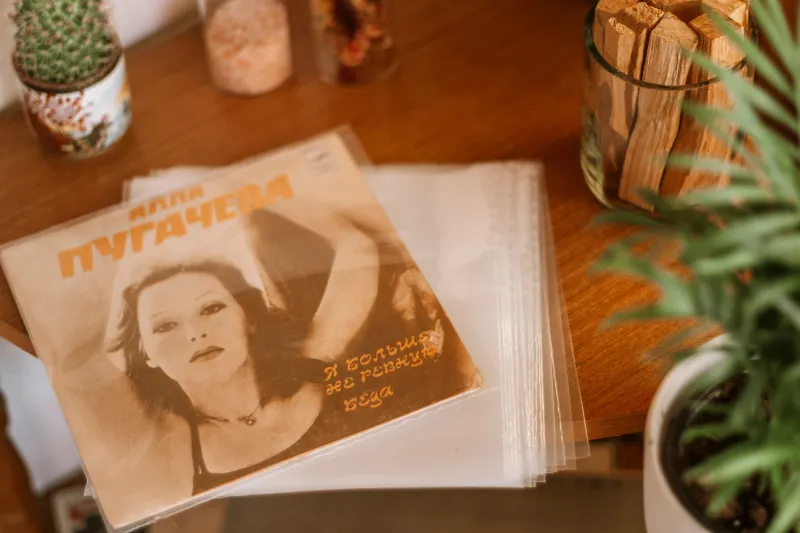
Think about producers like Kaytranada or Sounwave — both have talked openly about the specific records, eras, and artists that shaped their sound. They don't pretend to have invented something from thin air. Instead, they're so precise about which influences they're pulling from, and how they're combining them, that the combination itself becomes unmistakably theirs. The curation is the creation.
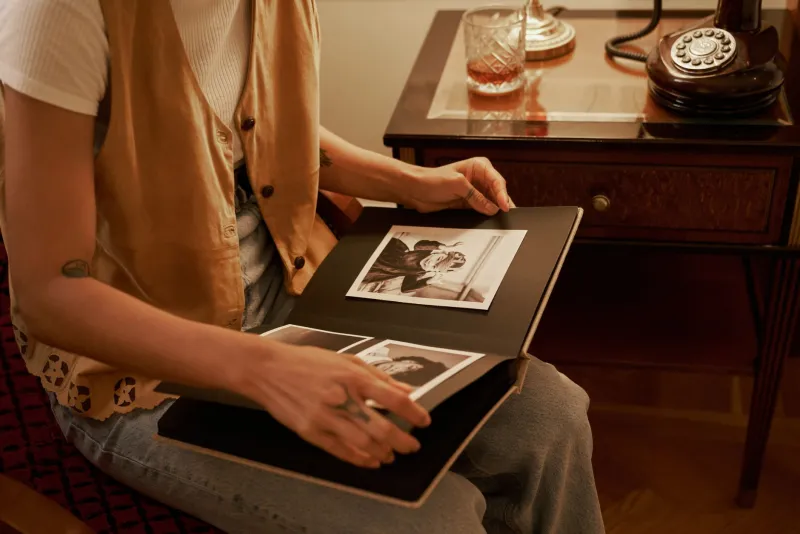
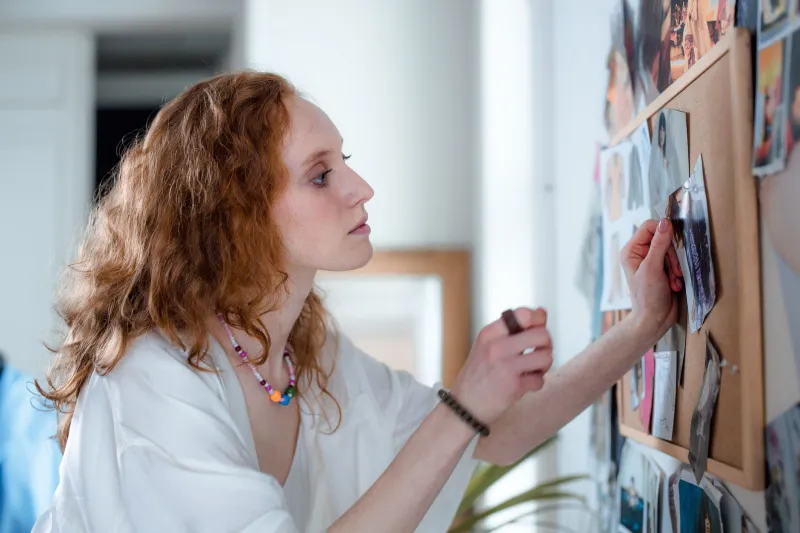
Visual artists are doing the same thing. Designers who post "mood board Mondays" aren't just sharing pretty pictures — they're teaching their audience how to see the way they see. That transparency builds something more durable than mystery ever could: it builds trust, and it builds context. When you finally see the finished work, you understand the whole journey that got it there.
Why Transparency Doesn't Dilute the Magic
Here's the thing a lot of creators get wrong: they think showing your sources makes the final product feel less impressive. Like a magician explaining the trick. But audiences in 2025 aren't looking for illusions — they're looking for connection.
When a creator says, "This piece exists because I grew up obsessed with 90s Hong Kong cinema and also cannot stop listening to Chicago blues," they're not diminishing the work. They're giving you a map into their inner world. And that map? That's the actual gift.
Filmmaker Kogonada is a great example. His visual style is deeply, openly indebted to Yasujiro Ozu — slow pans, symmetrical frames, negative space. He's never tried to pretend otherwise. But the way he transplants that aesthetic into American settings, into contemporary emotional registers, into stories about grief and disconnection in the digital age — that's entirely his own territory. The influence is the foundation. The house he built on it is original.
The Paradox That Isn't Really a Paradox
So what's the "remix paradox" everyone keeps talking about? It goes something like this: the more honestly you engage with your influences, the more original you end up feeling. Counterintuitive, right? But it makes sense when you think about it.
Creators who try to erase their influences — who strain to sound like nobody, to reference nothing, to appear fully formed from nowhere — often end up sounding generic. Because you can't actually create from a vacuum. You're always in conversation with something. The question is whether that conversation is conscious or unconscious, intentional or accidental.
The creators who lean into the conversation, who say "yes, I'm in dialogue with this tradition, this artist, this moment in time" — they're the ones who end up with a distinct voice. Because they've made deliberate choices about which conversations to have. And deliberate choices are the whole game.
Influence Mapping as a Creative Practice
Some creators have turned influence mapping into a literal practice — not just an attitude, but an actual workflow.
Musicians who keep running "sample journals," logging every record that affects them and noting specifically what about it hit. Writers who maintain influence trees — not just listing authors they love, but tracking which specific books changed how they think about structure, voice, pacing, or character. Visual creators who build layered mood archives organized not by aesthetic but by emotional register — what does it feel like, and where does that feeling come from?
This kind of intentional cataloging does something powerful: it forces you to understand why something moves you, not just that it does. And once you understand the why, you can start to make conscious choices about when and how to invoke that feeling in your own work.
That's not copying. That's craftsmanship.
The Credit Culture Shift
There's also a cultural moment happening around attribution that's worth naming. Younger creators — especially those who came up online — seem to have a genuinely different relationship with credit than previous generations. Where older industry logic sometimes encouraged mystique and discouraged transparency about process, the internet generation grew up watching tutorials, reading interviews, following creators behind the scenes.
They expect to see the receipts. And more than that, they respect the receipts. Dropping a "heavily influenced by" in a caption or a pinned comment has become a form of cultural currency — it signals that you know your history, that you're in conversation with something larger than yourself, that you've done the listening.
For creators building audiences on platforms where authenticity is the whole value proposition, influence transparency isn't a liability. It's a flex.
Making It Yours Without Making It Up
None of this means anything goes. There's a real difference between honoring an influence and just... lifting someone's work. The creators doing this well aren't sampling without permission or recreating someone else's style wholesale and calling it new. They're doing something more interesting — they're using influence as vocabulary, not as content.
You use a vocabulary that you learned from somewhere. Every word you know came from hearing it used by someone else. But the sentences you build? Those are yours.
That's the move. Learn the vocabulary deeply, credit the teachers generously, and then build sentences nobody's ever built before.
The paradox resolves itself pretty quickly once you're actually in the work. Honoring your influences isn't the opposite of originality. For a lot of the most exciting creators alive right now, it is the originality.