Blood Samples: Why Gen Z Creators Are Digging Through Family Archives to Find Themselves
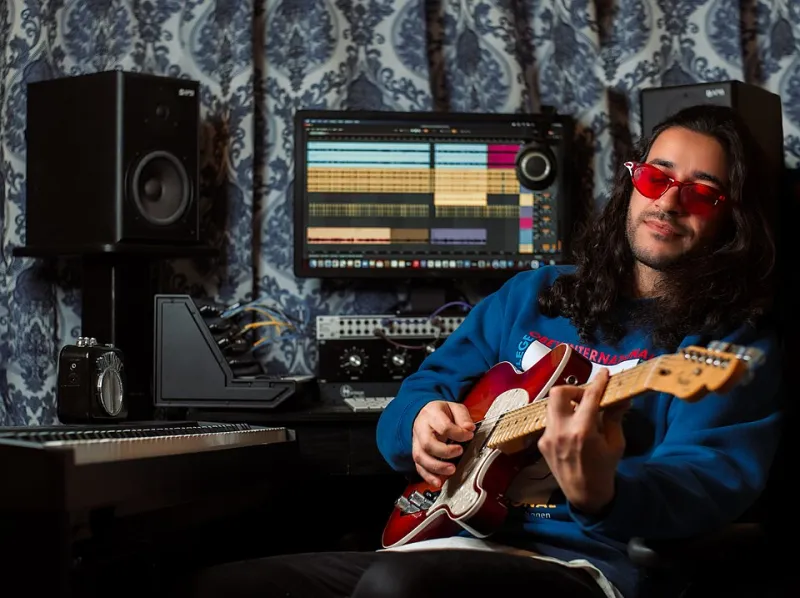
There's a TikTok that keeps circulating — a 22-year-old producer from Atlanta layering her grandmother's church choir recordings under a trap beat, her face lit up like she just unlocked something sacred. The caption reads: she gave me the melody before I was born. It has 4 million views. The comments aren't just fire emojis. They're people saying I feel this in my chest and this is exactly what I needed to see today.
This is not nostalgia. This is something older and more urgent than that.
When the Sample Is Actually a Bloodline
When we talk about sampling in music — or borrowing in fashion, or referencing in visual art — we usually talk about it as a creative transaction. You find something cool, you flip it, you credit it (or don't), and you move on. But a growing number of Gen Z creators are doing something fundamentally different. They're reaching into their own family histories and pulling out raw material that carries a weight no crate-digging session at a thrift store ever could.
The difference isn't just sentimental. It's structural. When a 19-year-old designer in Houston recreates her father's '90s streetwear aesthetic for her Depop shop, she isn't just chasing a trend cycle. She's making a claim. She's saying: this belonged to someone I love, and I'm the reason it keeps existing. That's inheritance. That's legacy work. And in the creator economy, it's becoming one of the most emotionally resonant forms of content there is.
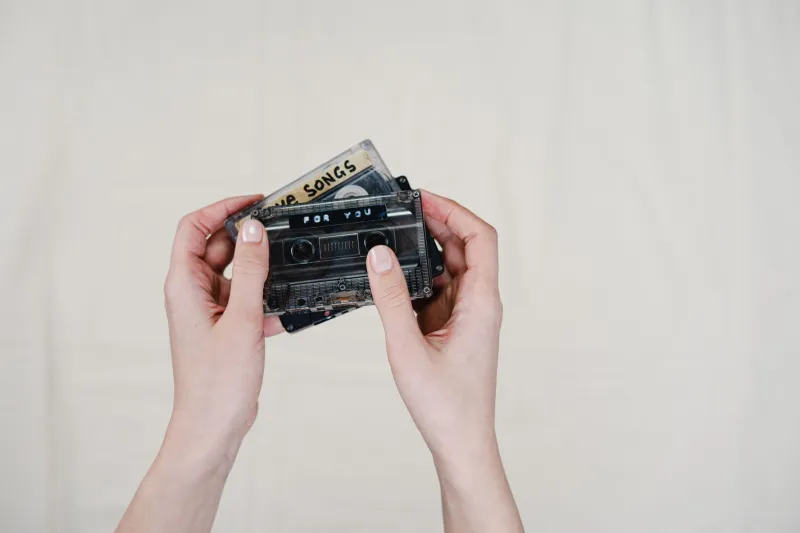
What makes this moment distinct is how openly these creators are naming what they're doing. They're not just wearing vintage — they're posting the original photo of their dad in the same jacket. They're not just making soul music — they're sampling the actual cassette tape their mom recorded in 1987. The provenance is the point.
The Validation That Comes With the Territory
Psychologists who study intergenerational trauma talk a lot about the concept of ancestral healing — the idea that working through the unresolved emotional material of previous generations can create a kind of retroactive wholeness. What's fascinating about what's happening in the creator space right now is that young artists are doing a version of this publicly, through their work, in real time.
When a creator says I made this because my parents made something like it, they're doing two things at once. They're honoring the people who came before them, and they're also giving themselves permission to exist in the same creative lineage. For a generation that has grown up being told to be original, to disrupt, to build something new — that kind of permission is not a small thing.
For creators of color especially, this practice carries extra weight. Black, Latino, Asian American, and Indigenous creators who sample family aesthetics are often reclaiming cultural material that the mainstream has historically stripped of its origins. When a young Korean American filmmaker shoots her short film in the visual style of her parents' home videos from the '80s, she's not just making art. She's insisting that her family's story deserves to be treated as source material worth returning to.
It Hits Different When You Know the Person
There's a craft distinction worth naming here too. Sampling a stranger's work — even when done with love and skill — is an act of curation. You're selecting from the broader cultural archive. Sampling your family's work is an act of intimacy. You're not just borrowing a sound or a silhouette. You're carrying a person's vision forward. You know what the living room smelled like when that record played. You know what your grandmother was going through when she sewed that dress.
That intimacy creates something in the finished work that audiences can feel even when they don't know the backstory. There's a specificity to it — a texture — that purely trend-driven content tends to lack. And in an attention economy where everything is moving fast and most things feel interchangeable, specificity is one of the last genuinely rare commodities.
Creators who do this well tend to share the backstory openly. The context becomes part of the content. The image of the original artifact — the old photo, the handwritten lyrics, the grainy video — sits alongside the new work, and the juxtaposition becomes its own kind of storytelling.
The Business Case for Going Home
Here's the part that might surprise you: this isn't just emotionally compelling. It's also strategically smart.
In a media landscape saturated with content, personal mythology is one of the few things that can't be copied. Anyone can make a lo-fi beat. Anyone can shoot in a retro aesthetic. But only one person has access to their specific family archive, their specific lineage, their specific set of inherited stories and sounds and images. That exclusivity — that you-can't-get-this-anywhere-else quality — is exactly what builds loyal audiences.
Creators who have leaned into this approach consistently report deeper engagement than creators who chase trends. Their audiences don't just consume the work — they feel protective of it. They feel like they know the story behind it. That emotional investment translates into the kind of community that actually sticks around.
Where This Goes From Here
The most exciting version of this trend is still emerging. We're starting to see multi-generational collaborations — actual grandparents and grandchildren making things together, posting the process, letting the gap between their aesthetics become the art. We're seeing creators build entire brand identities around family archives, turning old home movies and photo albums into the visual language of their whole creative universe.
What this generation seems to understand intuitively is that originality doesn't have to mean starting from zero. Sometimes the most radical creative act is going back — all the way back — and saying: I come from something. And that something is worth building on.
The sample isn't just a sound. It's a handshake across time. And right now, that handshake is making some of the most alive work in the creator economy.